
Fraud and Cybercrime on the Rise: Why Digital Awareness Matters More Than Ever
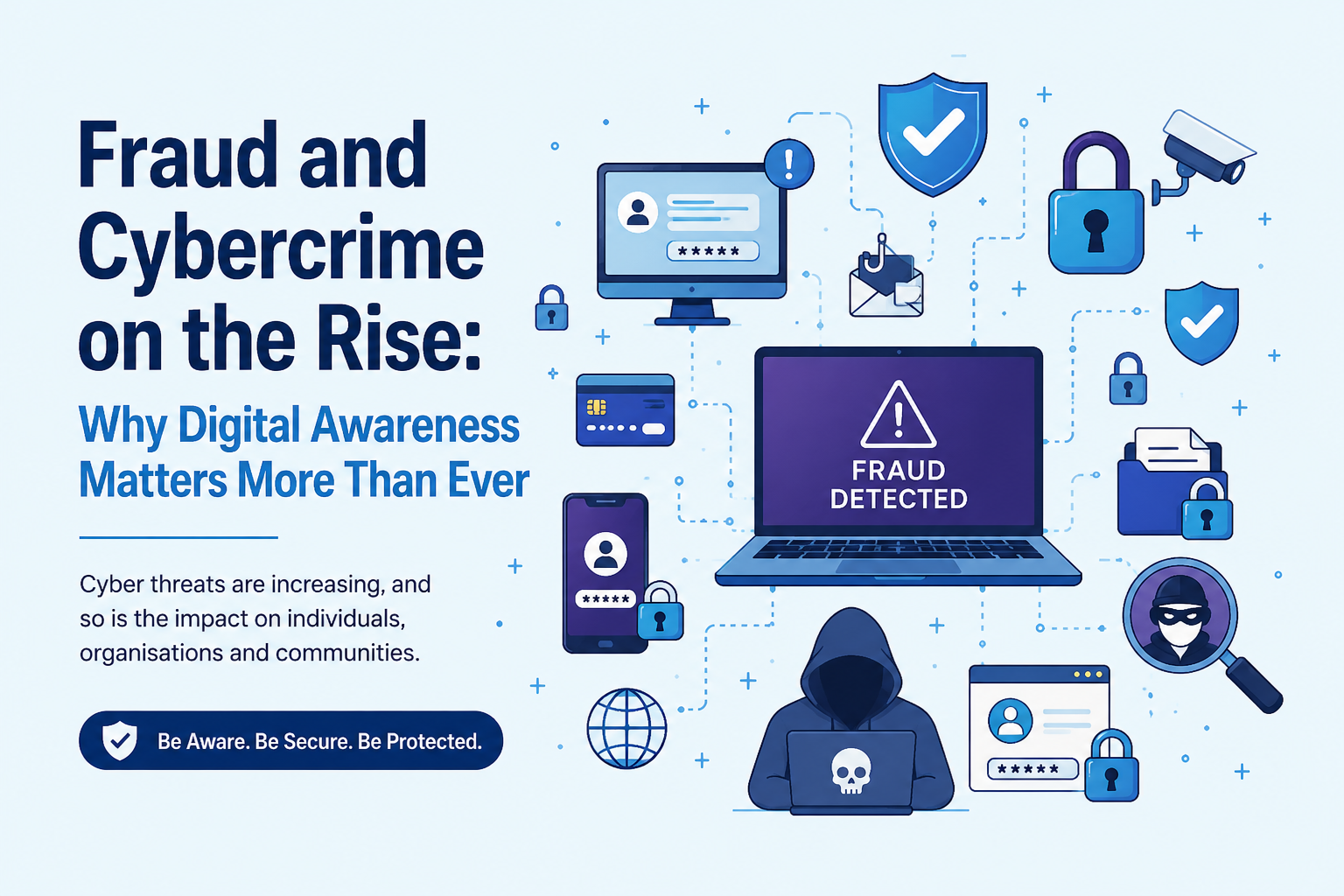
As technology continues to evolve, so do the risks associated with fraud and cybercrime. Recent findings published by the Office for National Statistics reveal a significant increase in fraud incidents across England and Wales, highlighting the growing importance of cyber awareness, digital safety, and proactive prevention measures across all sectors including adult social care.
According to the latest ONS report, there were an estimated 4.2 million fraud incidents recorded in the year ending March 2025, representing a 31% increase compared with the previous year. The rise was largely driven by increases in bank and credit account fraud, alongside consumer and retail fraud. (Office for National Statistics)
The report also highlighted the emotional impact fraud can have on victims. Around 71% of fraud victims reported emotional distress, including feelings of anger, shock, anxiety, and vulnerability. (Office for National Statistics)
Computer Misuse Incidents

While overall computer misuse incidents fell by 32%, cyber threats remain a major concern. Many incidents involved:
- Unauthorised access to personal information
- Social media and email account hacking
- Malware and computer viruses
- Data breaches affecting organisations and individuals (Office for National Statistics)
Why This Matters for Adult Social Care
The adult social care sector increasingly relies on digital systems for:
- Care planning
- Medication management
- Communication
- Staff records
- Data storage
- Online training and compliance systems
As digital transformation accelerates, care providers must ensure that staff are equipped with the knowledge and confidence to identify cyber risks and respond appropriately.